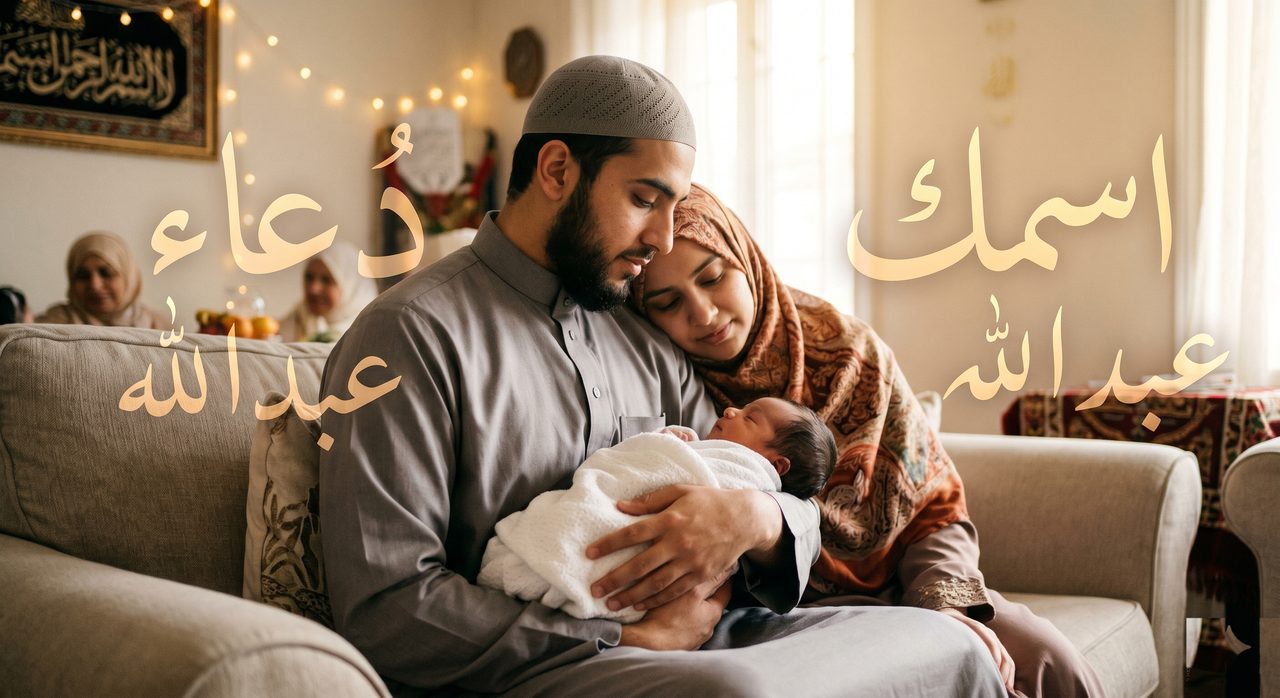
The Importance of Names in Islam
In Islam, a name is far more than a label — it is a dua, a prayer that accompanies a person from birth until death. The Prophet Muhammad (peace be upon him) said: "You will be called on the Day of Resurrection by your names and the names of your fathers, so give yourselves good names." (Abu Dawud)
Why Names Matter
A name shapes identity. From the moment a child is named, that word becomes woven into every greeting, every prayer made on their behalf, and every record of their deeds. In Islamic tradition, the name carries weight in three dimensions:
- Spiritual significance — A name with a beautiful meaning becomes a continuous invocation. Parents who name their son Abdul Rahman (servant of the Most Merciful) are, in a sense, placing their child under that divine attribute every time the name is spoken.
- Social identity — Names connect us to lineage, community, and faith. A Muslim name announces belonging and carries the legacy of those who bore it before.
- Psychological impact — Research and Islamic wisdom both suggest that what we are called shapes how we see ourselves.
The Sunnah of Naming
The Prophet (peace be upon him) gave several guidelines:
- Name on the seventh day after birth, along with the aqiqah (sacrificial meal).
- Choose names with good meanings. The Prophet changed names with bad or arrogant meanings — he renamed Harb (war) to Silm (peace), and 'Asiyah (disobedient) to Jamilah (beautiful).
- Beloved names to Allah include Abdullah and Abdur-Rahman. Names of prophets carry special honour.
- Avoid names that imply servitude to anyone other than Allah, such as Abd-un-Nabi, or names exclusive to Allah alone (like Al-Quddus).
Choosing Well
Take your time. Consult knowledgeable family members, research the meaning thoroughly, and consider how the name will serve your child across cultures and languages. A beautiful Islamic name is one of the first and most lasting gifts a parent gives.
"The best names are those that contain meanings of worship (ibadah) and those that contain praises of Allah." — Ibn al-Qayyim